 HAIR
HAIR
PREMIUM CARE
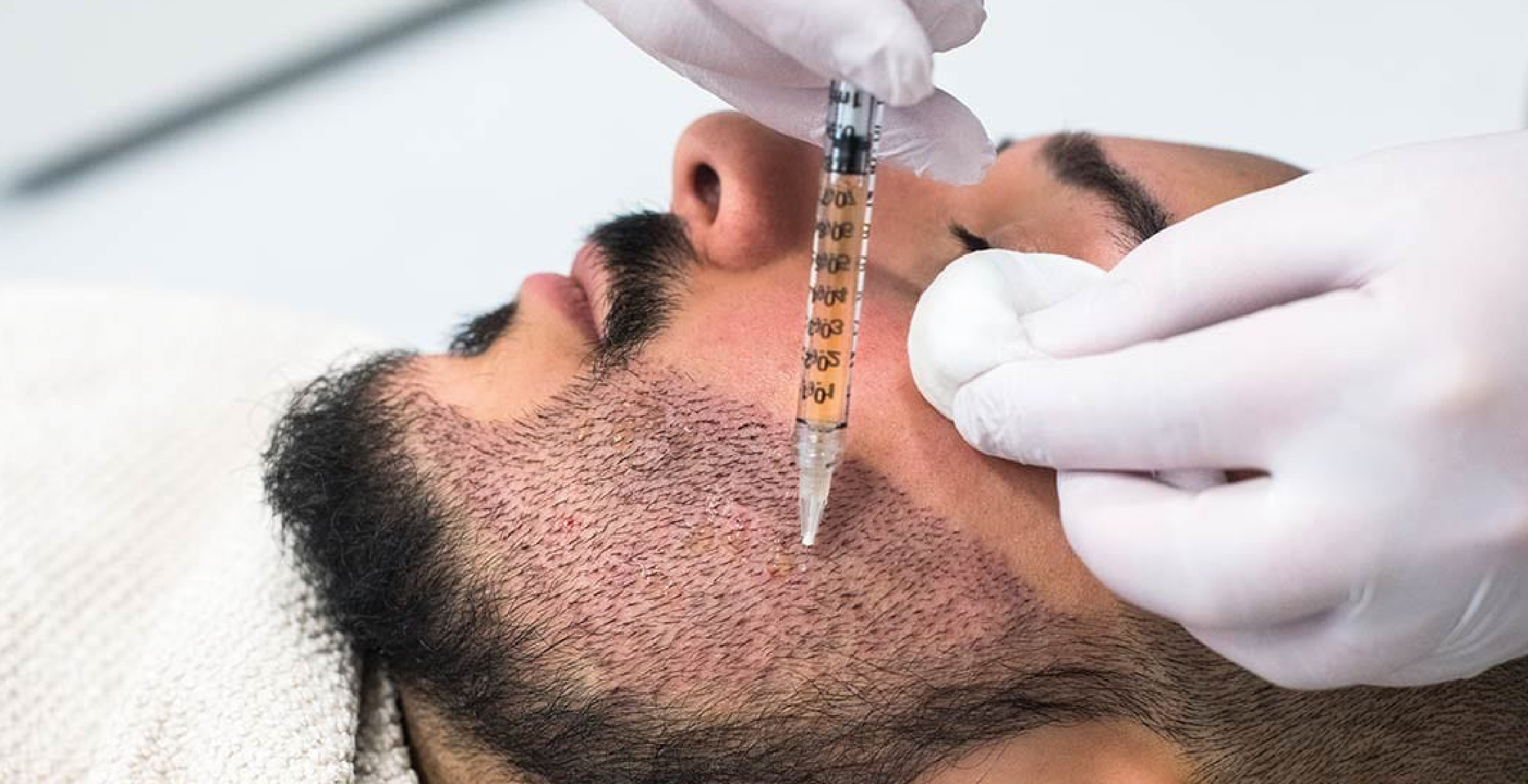
Beard Transplant
Restore or enhance facial hair density for a fuller, natural-looking beard.
View TreatmentUnderstand the available hair-restoration options and request an assessment of your needs.
Hair transplantation redistributes follicular units from a donor area to a recipient area when diagnosis and donor quality make transplantation appropriate. Hair loss does not automatically mean that surgery is the right answer; its cause, progression and previous treatment need assessment.
The first step is to prepare hair-loss history, relevant health information and standardized photographs. The professional assesses the donor area, recipient areas and realistic goals. Graft count, hairline design and technique should not be promised before this review.
FUE and DHI describe different approaches or stages of extraction and implantation. Selection depends on diagnosis, donor capacity, recipient area, desired coverage and the treating team’s protocol. NovaCare does not present one technique as automatically superior for every patient.
The session can be lengthy depending on the plan. Preparation, appointments and checks are confirmed by the treating team. Once the plan is approved, NovaCare can coordinate accommodation, transfers and practical timing around those steps.
Scalp care, washing, physical activity and exposure follow the clinic’s instructions. Hair growth is progressive and varies. A precise final density, an identical reference hairline or a guaranteed result should not be promised.
The professional should explain risks, donor-area limitations, factors affecting growth and situations in which transplantation is not appropriate. Dermatological or other medical assessment may be needed before transplantation is discussed.
NovaCare coordinates case preparation and practical steps after approval. It does not replace specialist diagnosis or perform the medical act. Read the guide to aesthetic surgery and patient coordination in Tunisia or request a hair assessment.
Diagnosis is essential. The specialist evaluates the cause, stability of hair loss, donor area and goals before recommending transplantation or another approach.
The terms describe different technical approaches or stages of extraction and implantation. The choice depends on the hair plan and professional protocol; neither is automatically best for everyone.
A reliable number cannot be confirmed without assessing donor capacity, the area to cover and the planned distribution. Any initial estimate requires specialist confirmation.
Growth is progressive and individual. The treating professional explains expected stages; the website does not guarantee a personal timeline or final density.
Travel depends on the protocol, scalp condition and planned checks. NovaCare coordinates dates around the team’s confirmed instructions.
Follow-up depends on the treating team and plan. NovaCare can facilitate planned communication and appointments without replacing medical care when it is needed.
HAIR
PREMIUM CARE
Restore or enhance facial hair density for a fuller, natural-looking beard.
View Treatment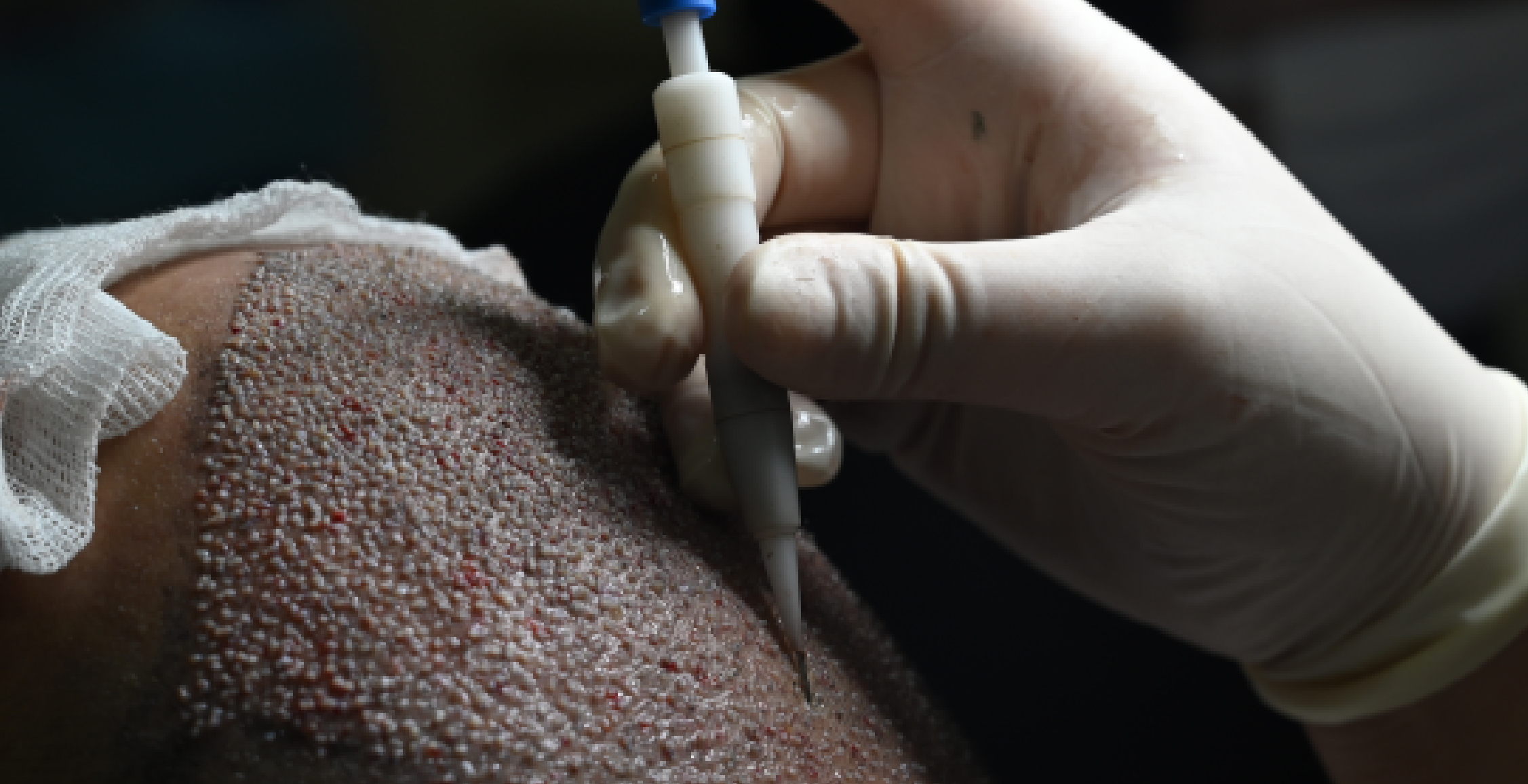 HAIR
HAIR
PREMIUM CARE
Direct Hair Implantation for maximum density and natural results without shaving.
View Treatment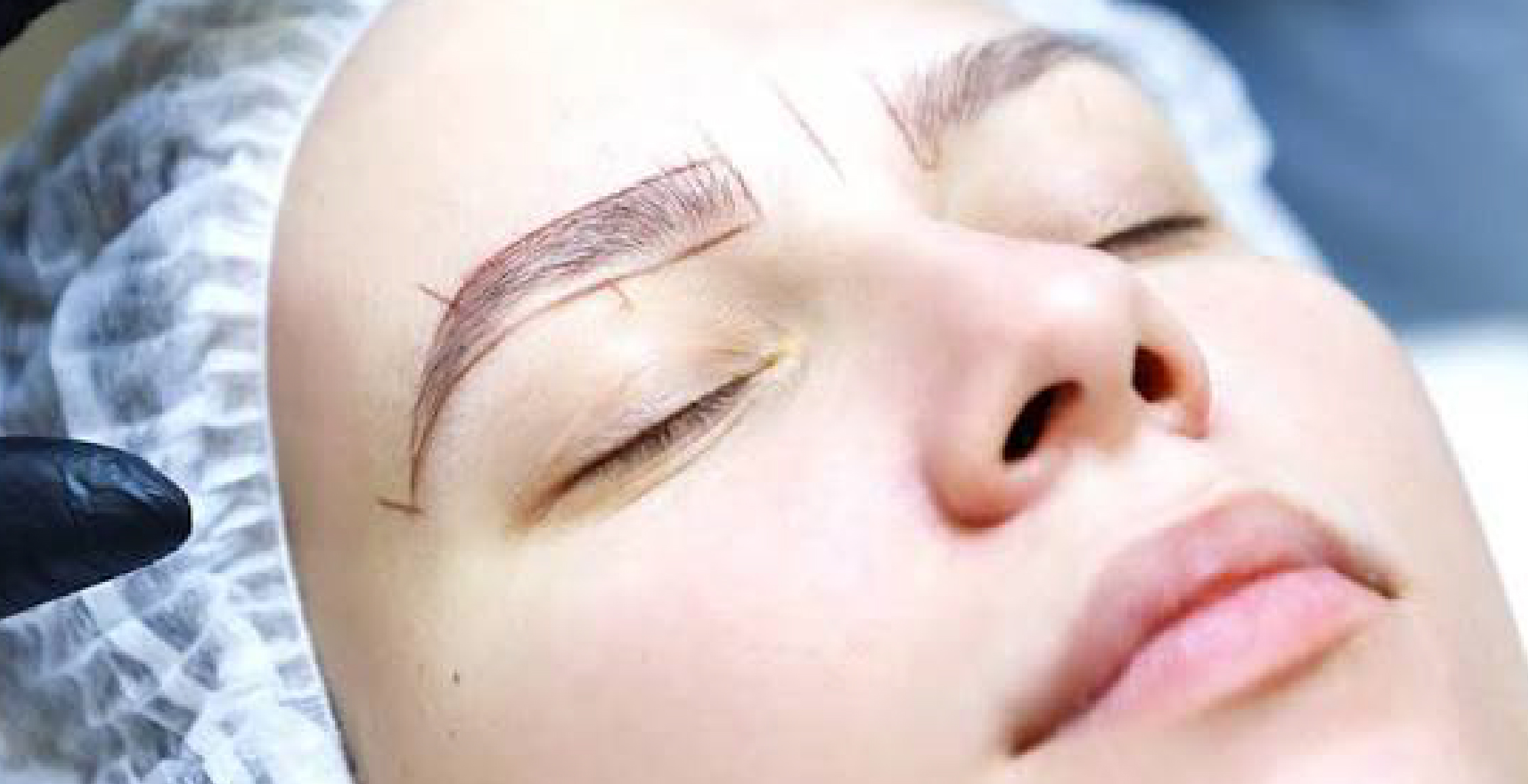 FACE
FACE
PREMIUM CARE
Precision hair grafting to reconstruct or fill in thinning eyebrows.
View Treatment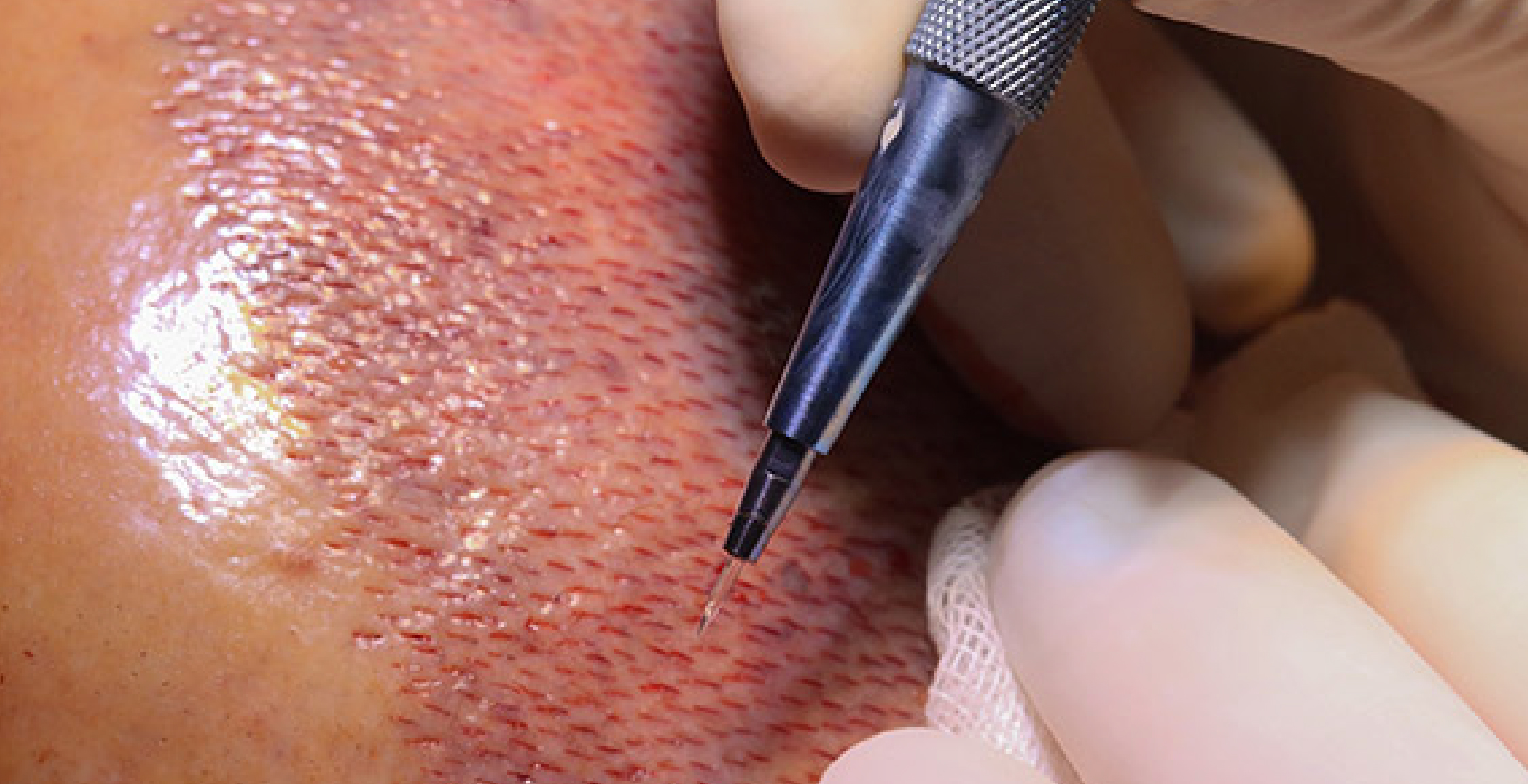 HAIR
HAIR
PREMIUM CARE
Follicular Unit Extraction is a minimally invasive hair transplant method.
View Treatment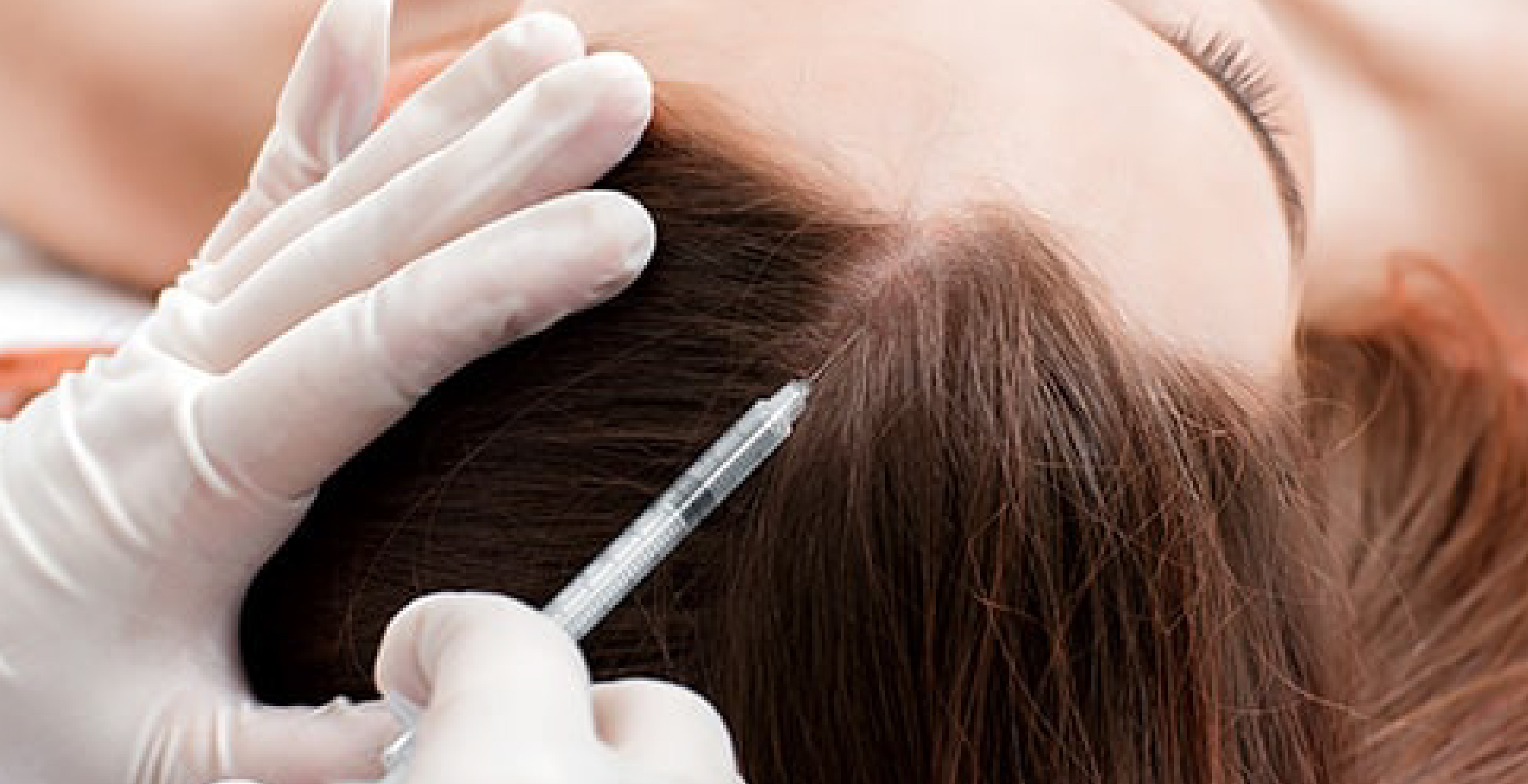 AESTHETIC MEDICINE
PREMIUM CARE
Micro-injections of vitamins and minerals to nourish hair follicles and stop hair loss.
View Treatment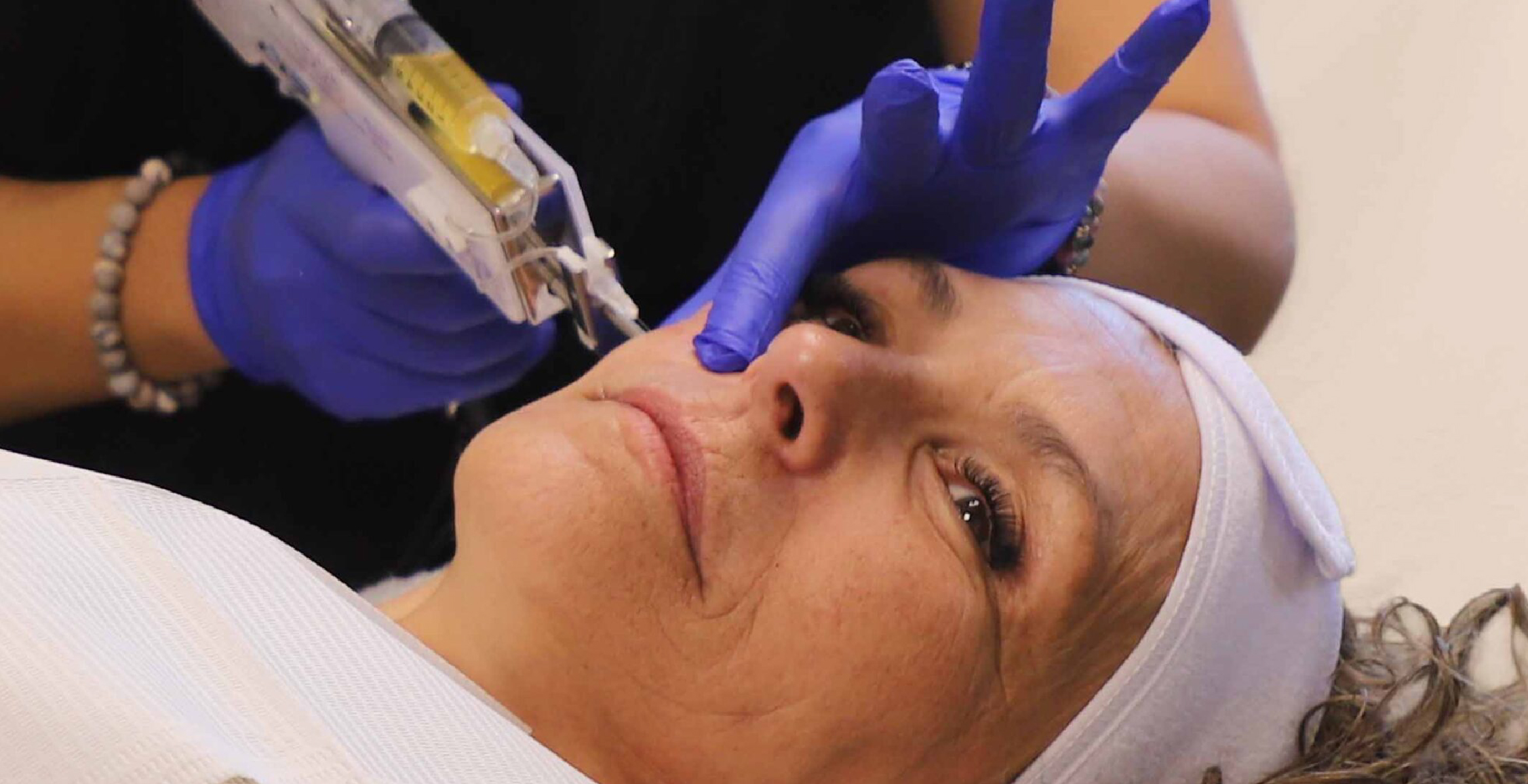 AESTHETIC MEDICINE
PREMIUM CARE
Platelet-Rich Plasma therapy to stimulate hair growth and rejuvenate the scalp.
View TreatmentSchedule a consultation with our medical team to create a plan tailored to your goals.